

Real painting traditions.
Oil, watercolor, ink, pastel, charcoal, illustration, woodblock. Each painter is tuned for its medium — not a single filter.
Describe your pet — breed, personality, or pose — and receive a hand-painted portrait in oil or watercolor style. Free, no signup.
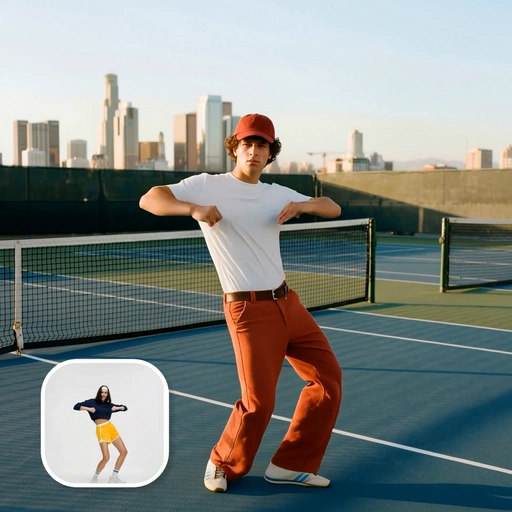
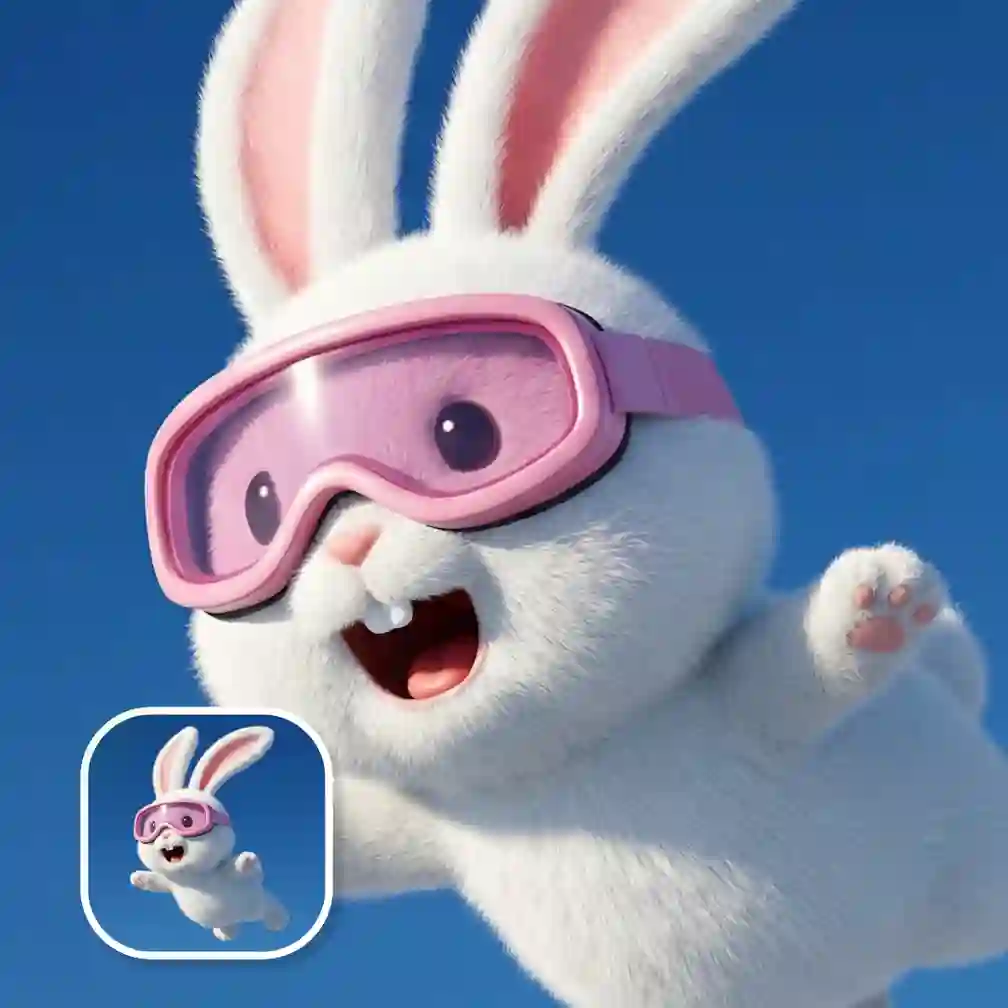
Generate the same person, pet, or character across unlimited images — without losing the face. Then turn it into a 4-second video.
Oil, watercolor, ink, pastel, charcoal, illustration, woodblock. Each painter is tuned for its medium — not a single filter.
Type a subject, get a painted image. No email, no account, no paywall.
Most paintings finish in well under ten seconds. No waiting room, no queue.
The painting is yours. Frame it, print it, share it — no licensing wall.
No NSFW, never. Safe for craft projects, school, gift cards, kids around.
No premium tier. Rate-limited to 5 paintings per hour per IP to keep the studio open.
Include breed, coloring, and any personality notes — the more specific you are, the more characteristic the portrait.
Warm studio lighting, classical pet-portrait composition, and oil or watercolor finish are silently applied.
Download the result with no watermark. Frame it, print it, or share it — no account required.
Pet portraiture is one of the oldest continuous genres in Western painting — a tradition that predates photography by three centuries and shows no signs of exhausting itself. The earliest commissioned animal portraits were pragmatic documents of status: a lord's favorite hound or hunting horse, depicted with the same serious attention given to human subjects. By the seventeenth century, Flemish painters like Frans Snyders and Jan Fyt had developed a genre-specific technique for animal fur that rivaled the textile painters in its textural virtuosity. George Stubbs elevated the horse portrait to pure art in eighteenth-century England. Edwin Landseer — Queen Victoria's preferred animal painter — brought sentiment and psychological presence to the genre in ways that still influence how we think about depicting companion animals.
What makes a painted pet portrait emotionally resonant is the same thing that makes a good human portrait work: the presence of individual character rather than generic type. A golden retriever painted as a type — bright fur, friendly face — reads as an illustration. The same animal painted with attention to the particular way this dog holds her ears when she's uncertain, or the grey coming in around her muzzle at age nine, reads as a portrait. The painter's job is to find the specific within the general category.
For the studio portrait tradition that frames most commissioned pet work, warm light matters. A single light source from the upper left — the classical approach — gives form to fur and allows the eyes to carry a catch light that suggests life and attention. Dark backgrounds isolate the subject and force the viewer's focus onto the animal's face, creating the formal gravity of a painted portrait rather than the casual informality of a snapshot.
This tool applies classical pet-portrait composition — studio lighting, centered subject, warm tonal range — automatically. The prompt needs only to describe the animal: breed, coloring, characteristic expression, or any narrative detail that would make this portrait specific rather than generic.
It turns a description of your pet into a painted portrait — oil, watercolor, or illustration. You can also add a reference photo to guide the likeness.
Name the animal, breed, colors, and pose, like 'a ginger tabby sitting upright with green eyes, soft oil-painting style.'
It is completely free with no signup and no credit card.
We make no ownership claim — it is yours for personal and experimental use. Check the underlying model's license before commercial use.
A high-resolution PNG with no watermark, in your choice of aspect ratio.